|
I read
14,271 posts from 3,178 provider blogs
this week. Last week's issue covered 12,596 from
2,758. Part of that increase is the plumbing again:
provider profiles moved to a new home this week, and
pulling blogs from the complete store reached feeds my
previous pull was missing. So treat this as a wider lens
rather than a louder industry.
Through that lens, two words kept showing up. One names
the thing wrapped around the model. The other names what
happens to your product when nobody opens its interface.
|
|
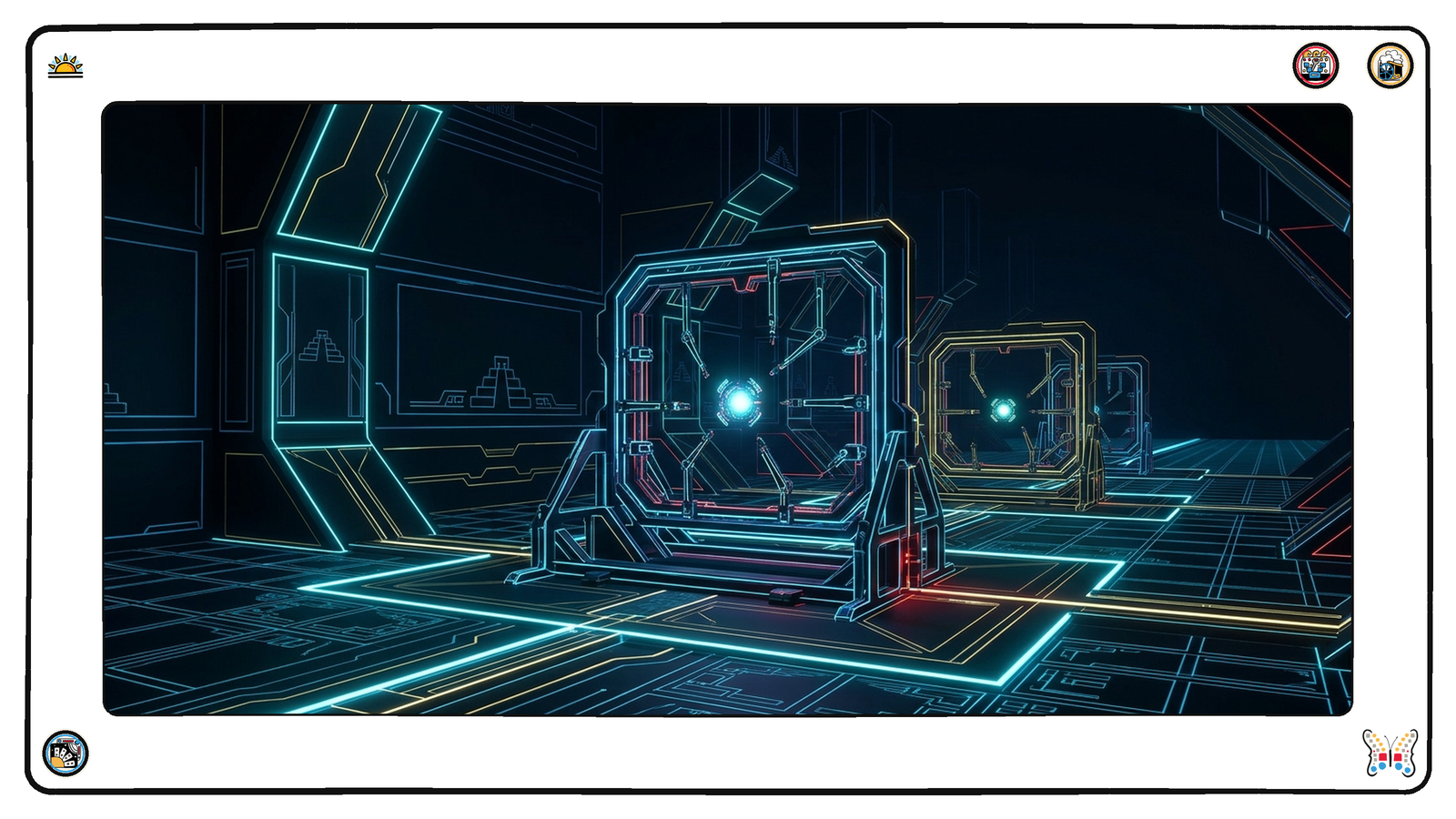
A dark neon workshop where a small glowing core sits
suspended inside a large angular frame of rails,
restraints and instrument arms, with several similar
frames standing in a row behind it.
|
Everybody Has a Harness Now
I said last week that
the harness that works is a contract. A week of launches has not changed my mind. A harness
is the rules, tools and permissions around a model, and
the durable part of that is whatever has been written down
so another system can read it.
|
|
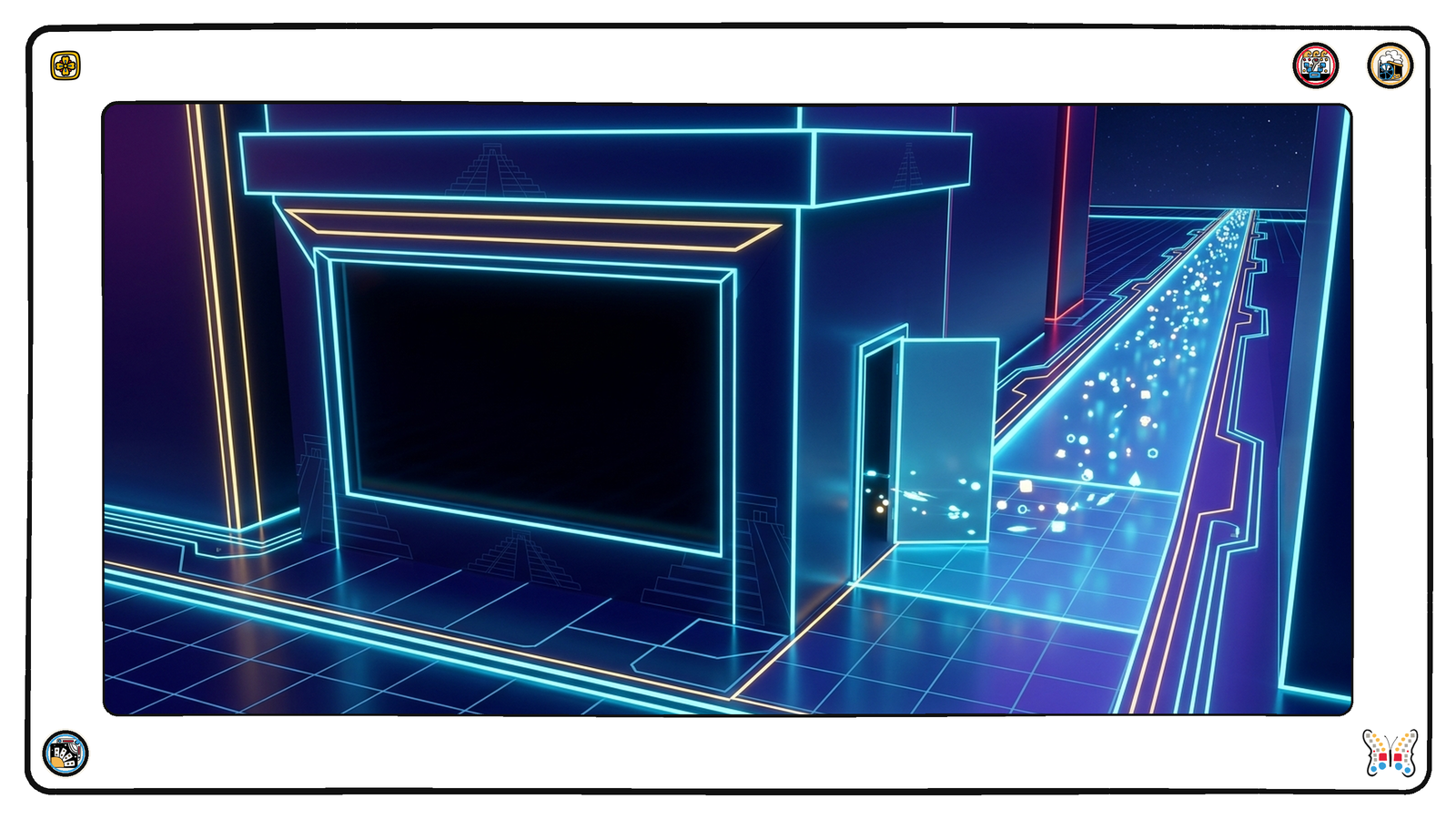
A dark neon storefront with its display window dark
and empty, while out the back a broad bright channel
of small light-vessels flows in and out through a
plain service door.
|
The Work Went Headless
|
|
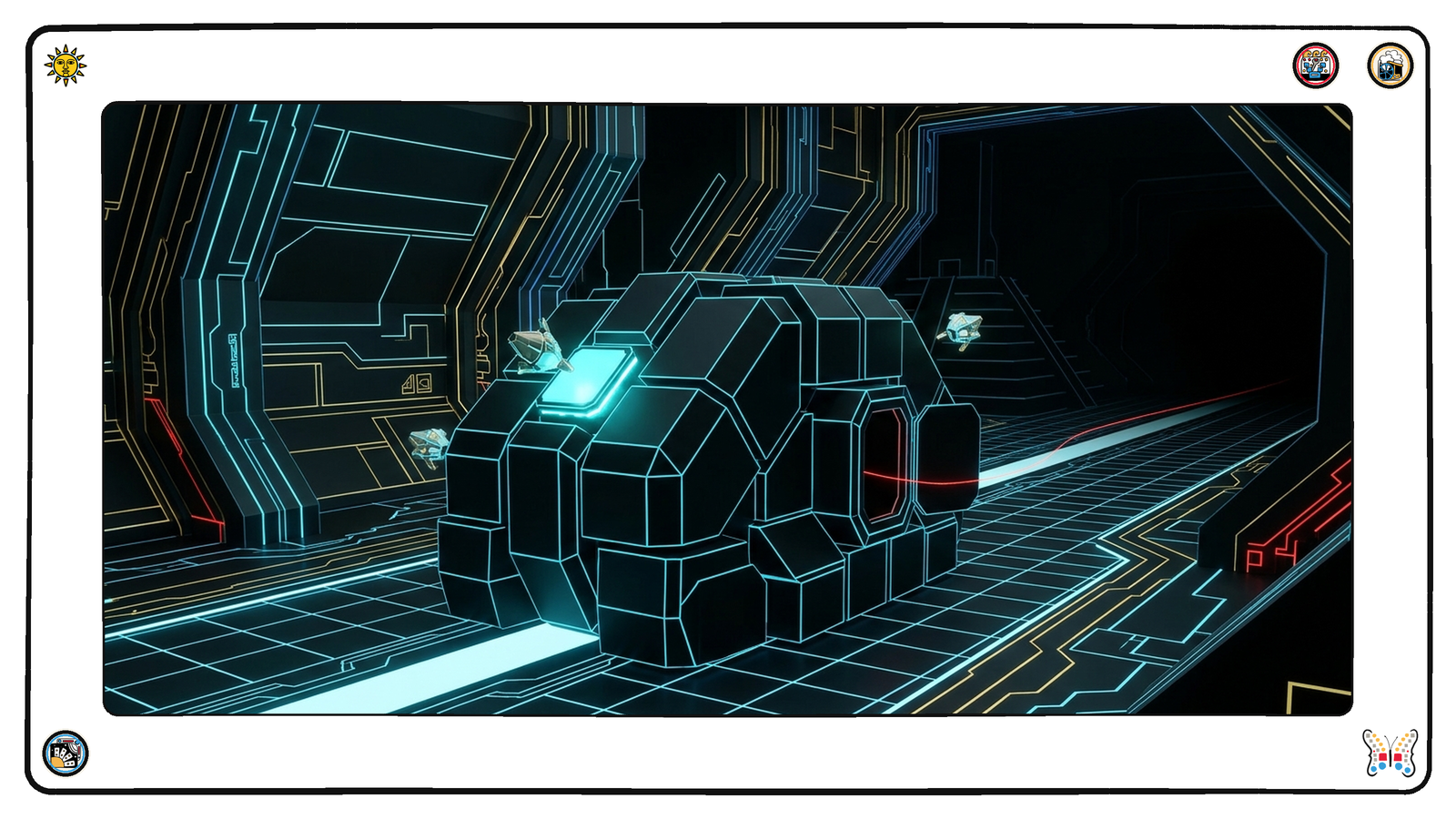
A dark neon assembly hall where a large angular
machine is being fitted with new lit panels by small
light-vessels, one open hatch on its side showing a
thin red thread running out to the dark.
|
MCP Is Arguing About the Hard Parts
I count 154 titles naming MCP this week,
including the directories. Last week's issue counted
137 on a narrower pull, so I would not read anything into
the rise.
|
|
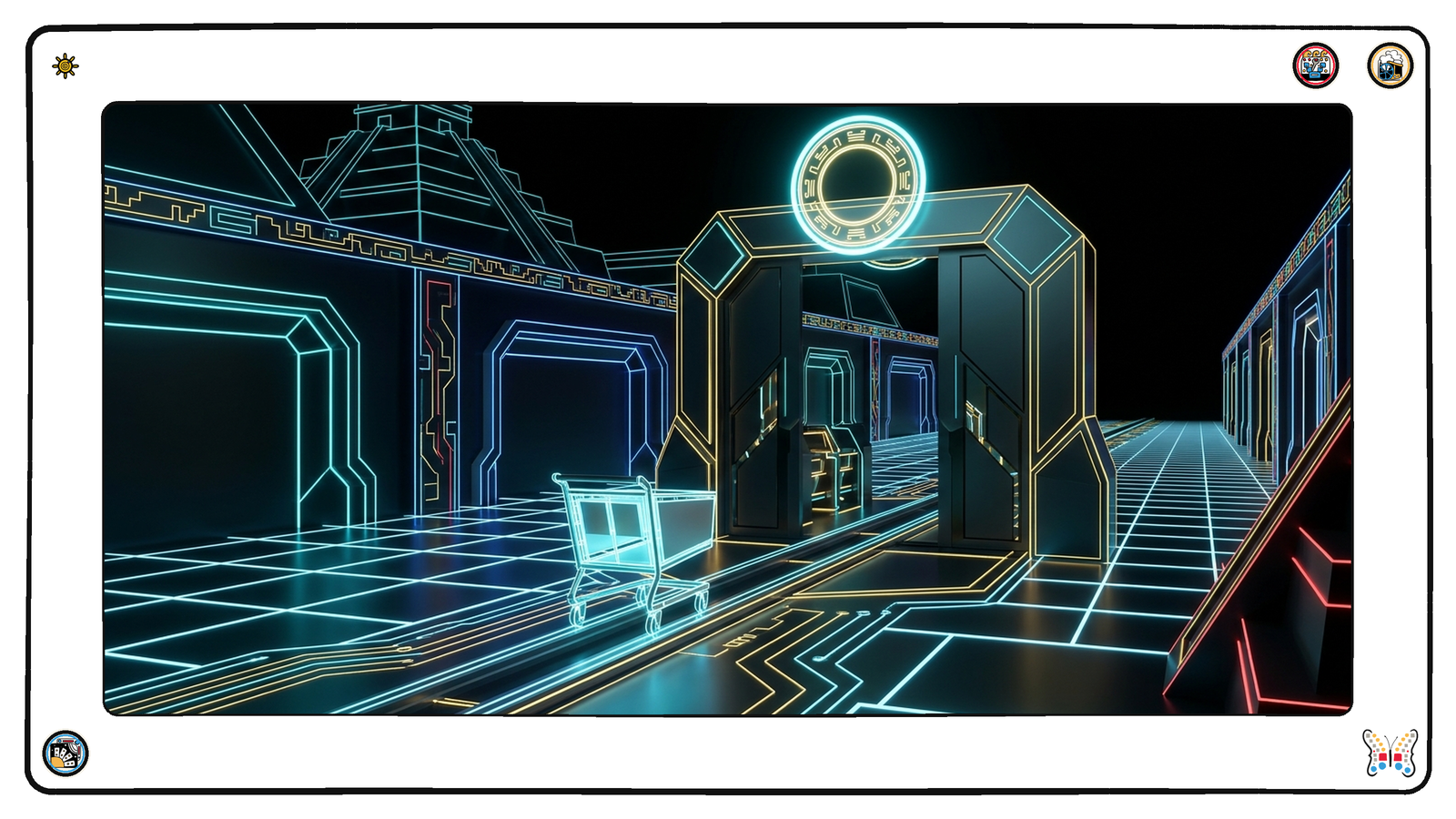
A dark neon shopping arcade where a glowing cart
moves along a luminous rail by itself toward a
checkout gate, a small seal hovering over the gate
as it opens.
|
From the research: The Fundamentals of API Governance
Most API governance advice is aspirational. This is the
status-quo stack — what governing APIs actually looks
like, from someone who stood one up at scale. Landscape
mapping, OpenAPI, JSON Schema, Spectral rules, Git, CI/CD,
shifting left — and the 75% that is people work.
Read the paper
Commerce Kept Getting Its Plumbing
|
|
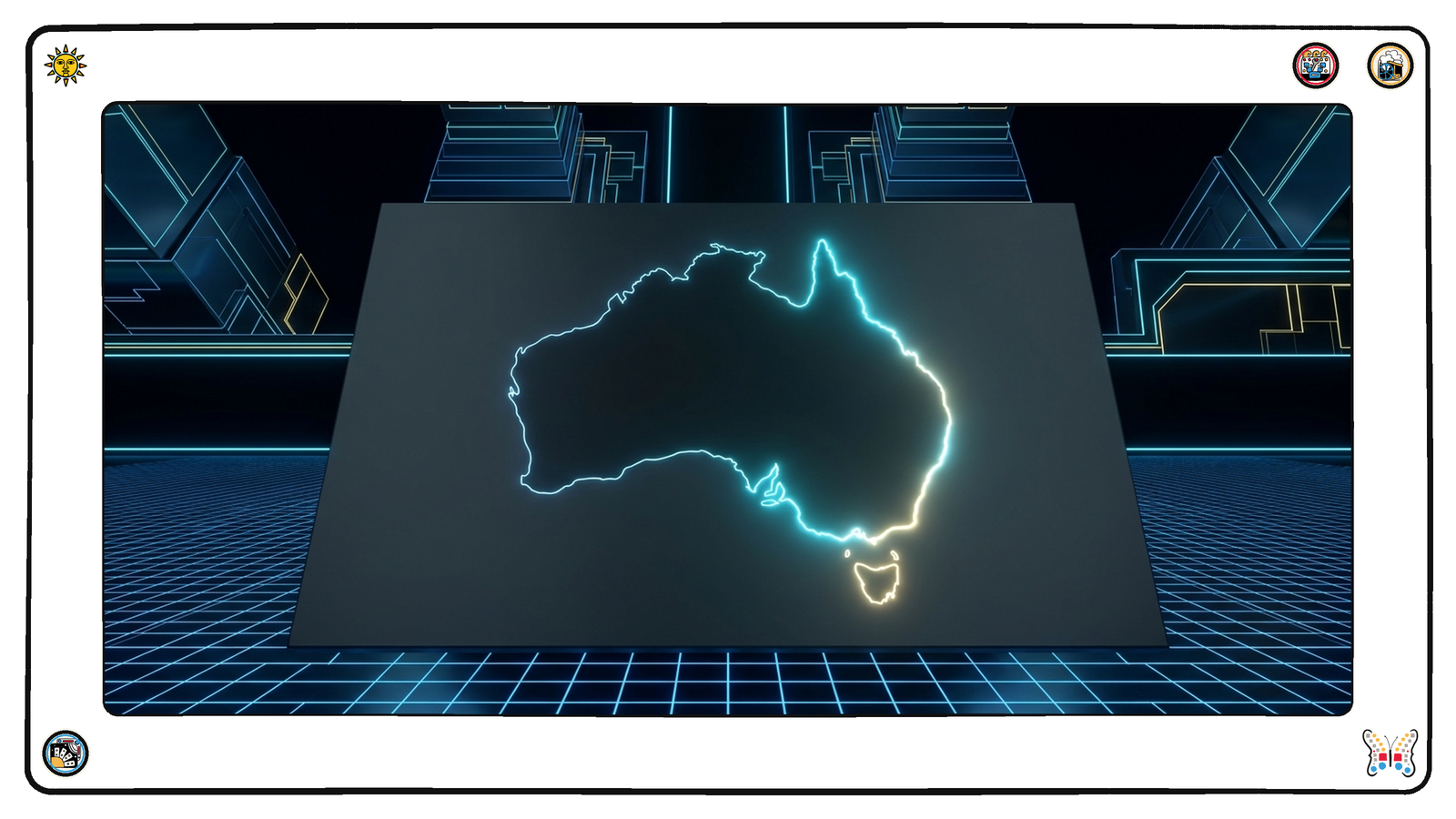
A dark neon cartographer's table seen from
above where a luminous map of a single large island
continent is lit brightly in a few regions and dark
across the rest.
|
From My Desk: Australia, OpenLint, and the Shape of More
Answers
-
Australia. Ahead of The API Economy
Roundtables, a short series:
the most programmable sectors in Australia,
what sets it apart in banking and telco,
regulation writes the API, and
Australian government is open but not yet
discoverable by agents.
-
OpenLint and who decides.
Why I forked Spectral, and why it became
OpenLint.
Who actually gets to define API standards. And
API Evangelist is now a financial contributor to
OpenLint, with an ask that you do the same.
-
The shape of the answer, continued.
Shipping,
telecom network APIs,
advertising
and
e-invoicing.
-
What our own APIs do. A new daily
series with real inputs:
lint an OpenAPI and find out which rules decide if
it passes, and
search sixteen years of API research from one
call.
-
And the rest.
Governing the inputs and outputs of inference.
The Specification Layer now has a home.
What 467 conformant A2A agent cards are actually
offering.
209 API companies and 775 enterprises hire in
different worlds.
Reddit closed its API; here is where agents can
still post and read.
What You Can Get Done With These APIs
These Provider Stories on the blog are written for the
person searching for how to get something done, who may
not know an API exists. A few from this week, if you know
someone in that position:
The harness and the headless product are the same shift
seen from two sides. One is the software wrapped around
the model, and the other is the software with its face
removed. Both leave the same thing holding everything
together: an API, and a description of it that something
other than a person can read.
See you next week.
🔌 APIs.io — see what your market looks like from
outside
— If your product is going headless, the listing an agent
finds may be the only part of your company it ever sees.
Search APIs.io for yourself and see what is there: your
contracts, your MCP server, your agent card, and what is
missing.
Also on the shelf: The Fundamentals of API Reusability
The duplicate API is rarely named like the original. That
is exactly why your catalog search never finds it.
Semantic duplication detection, and what to do once you
can finally see it.
Read the paper
You are receiving this because you subscribed to this
newsletter.
Unsubscribe
606 W 57th New York, NY 10019
|