|
I read
14,429 posts from 3,277 provider blogs
this week, close to last week's 14,271 from 3,178.
With the pull now running against the complete provider
store, the numbers have settled. That means changes from
week to week are starting to say something about the
industry again, rather than about my plumbing.
This week, the agent kept being treated less like a
feature and more like a worker. It gets an identity so
systems know who is calling, and a sandbox so systems can
limit what it does.
|
|
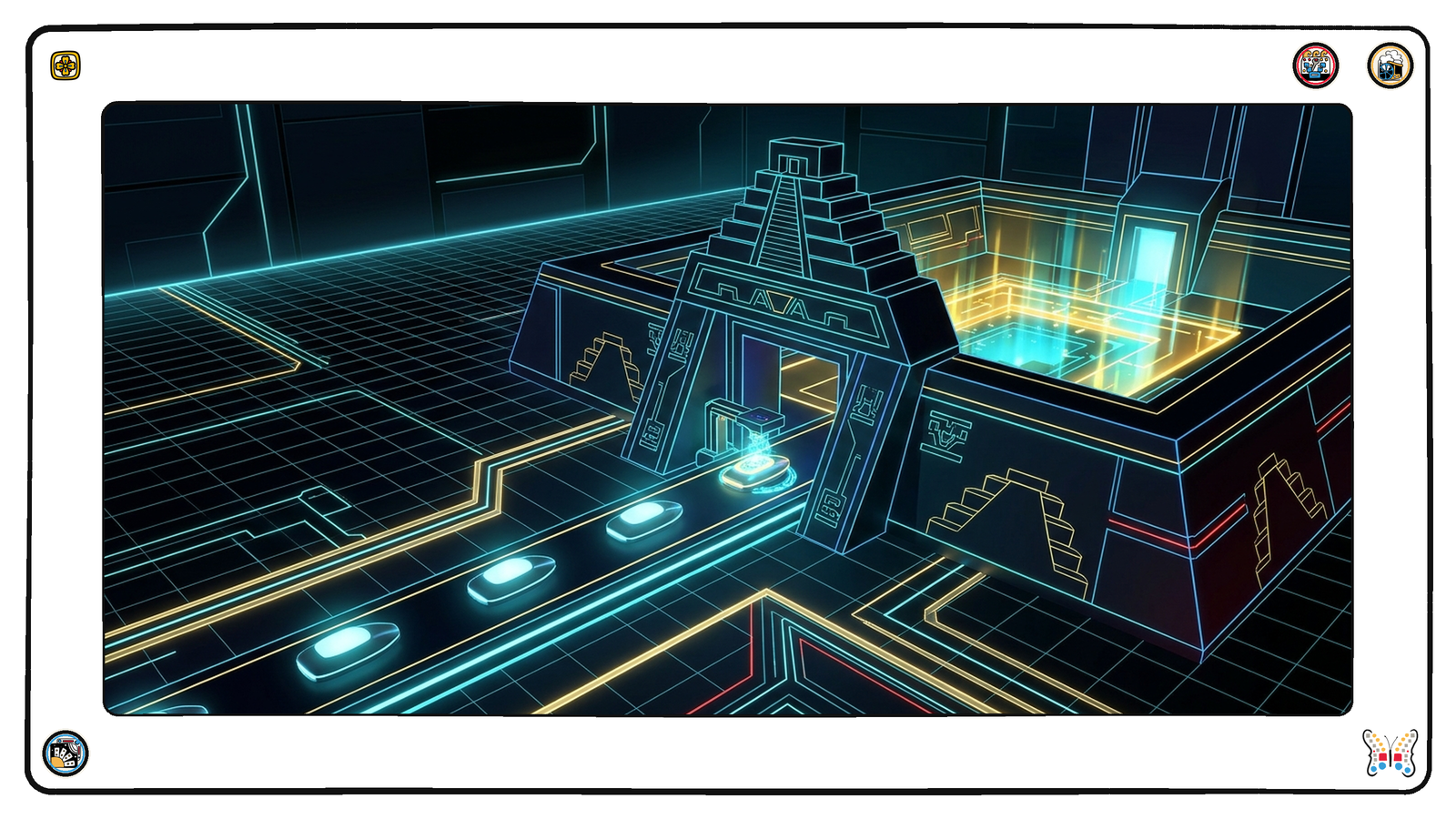
A dark neon gatehouse where a line of small glowing
light-vessels each stops at a blank checkpoint and
receives its own small luminous seal before passing
into a bright inner court.
|
Agents Got Their Own Login
None of this is new technology. It is OAuth, workload
identity and audit logs, applied to a new kind of caller.
That is good news. The hard part is still the boring part:
knowing which agents exist and what each one is allowed to
touch, written down somewhere a machine can check.

|
|
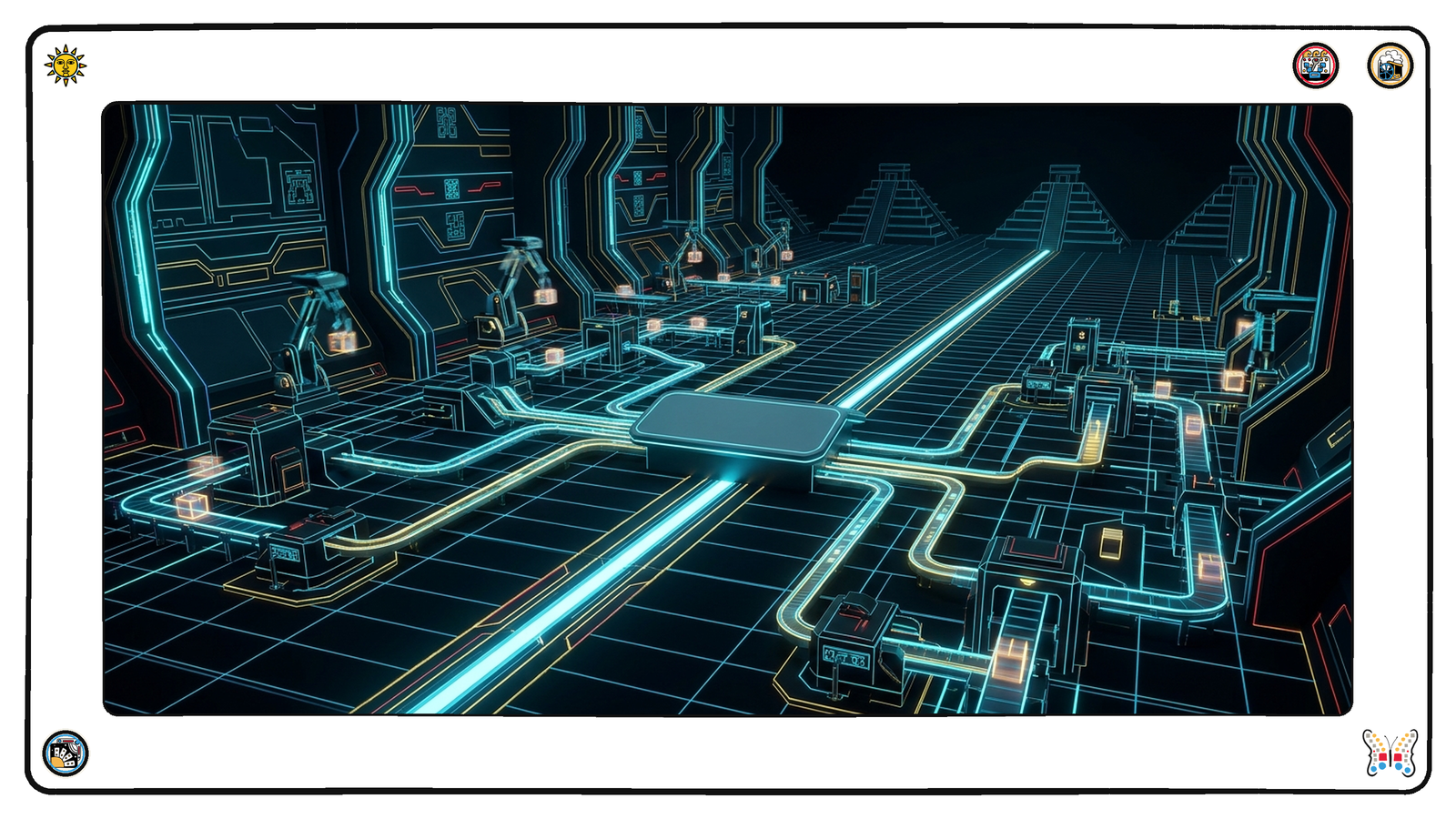
A vast dark neon hall filled with rows of
translucent glowing cubes, each holding a small
working light-vessel, one cube near the front with a
thin crack leaking a red thread of light.
|
Every Agent Gets a Sandbox
I agree with HYCU. A sandbox limits what an agent can
reach on the machine it runs on. It says nothing about
what the agent can do through the APIs it holds a token
for. That is why this section follows the last one. The
boundary that matters is the identity and scope on each
API call, and that is something we can describe, publish
and check.
|
|
A dark neon control room where glowing conduits run
from a central blank console out to many machines
that are visibly moving, lifting and dispatching
small lit parcels.
|
From the research: The Fundamentals of Context Engineering
Agents do not magically understand your API. Somebody has
to curate what they need. That is the discipline behind
the emerging context engineer role — context as a governed
lifecycle artifact, not a prompt you tune.
Read the paper
MCP Moved From Access to Action
I count 141 titles naming MCP this week,
including the directories, against 154 last week. The
count is flat. What changed is that these servers can now
take actions, and each action is a call that needs an
identity and a scope.
|
|
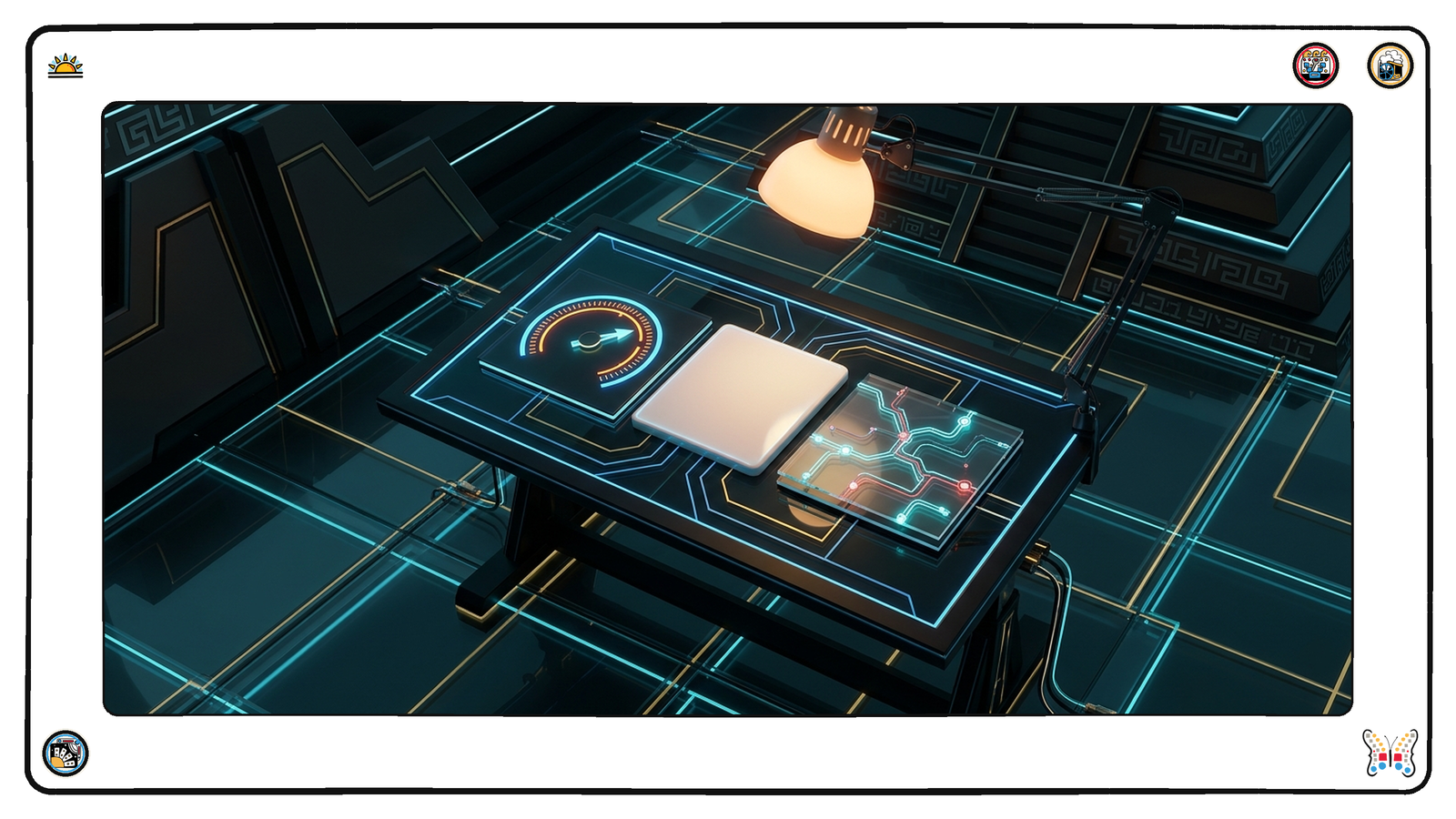
A dark neon drafting table seen from above with a
glowing gauge dial, a blank tile and a small
luminous roadmap path laid side by side, lit by a
single warm lamp.
|
From My Desk: What a Score Is For, What APIs Cost, and
What Went Dark
-
Using the Kin Score. A short series
on putting a score to work instead of chasing it:
use a score to build your API roadmap,
make the case for API investment with facts,
what to check before you call your API production
ready,
score the APIs nobody outside your company can
see, and
where a score fits in your CI pipeline and
developer portal.
-
What APIs cost.
The APIs.io pricing page now shows how APIs
charge.
Rethinking the API free tier in the agentic age.
Service level agreements come back around as
SLA4OAI.
-
Where the client stack went.
The client stack did not collapse, it went dark.
Okapi is Dependabot for APIs, and the business
needs the register behind it.
Agents will not look for an SDK generator, they
will look for a problem to solve.
-
Standards and estates.
The Dutch government now runs on OpenLint.
The Microsoft API estate: 169 surfaces, one
company.
The x- prefix is a feedback loop, not a mistake.
-
The shape of the answer, continued.
Healthcare
and
payments and banking, plus
the same fifty providers sit under every kind of
application.
-
And, fitting this week's theme,
find the PII and secrets an API exposes before you
hand it to an agent.
What You Can Get Done With These APIs
These Provider Stories are written for the person
searching for how to get something done, who may not know
an API exists. A few from this week:
An identity says who the agent is. A sandbox limits where
it can run. Neither one says what the agent is allowed to
do once it is calling your API. That is still set by the
API: its scopes, its rate limits, its prices and the
contract that describes them. That is the part I keep
asking providers to publish.
See you next week.
🔌 APIs.io — see what an agent sees when it finds
you
— Agents are getting identities and scopes. Search APIs.io
for your company and see whether your authentication,
scopes and pricing are described anywhere a machine can
read them, or only explained on a page meant for people.
Also on the shelf: The Fundamentals of Markdown
llms.txt, AGENTS.md, SKILL.md. The agentic era
standardised on a 2004 convention nobody ever finished
specifying.
Read the paper — $50
You are receiving this because you subscribed to this
newsletter.
Unsubscribe
606 W 57th New York, NY 10019
|